Kent Scouts Complete Pioneering Arctic Circle Expedition
MEDIA RELEASE
16th April 2026
ArcticQuest2026 Celebrates Landmark Success Following Transformational Polar Expedition to the Arctic
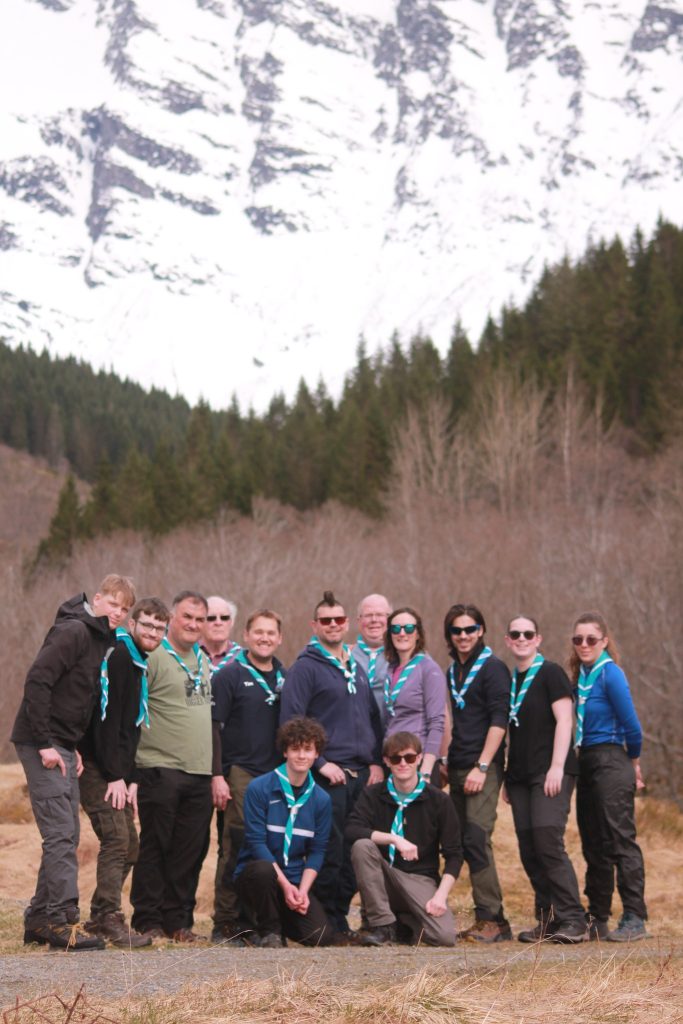
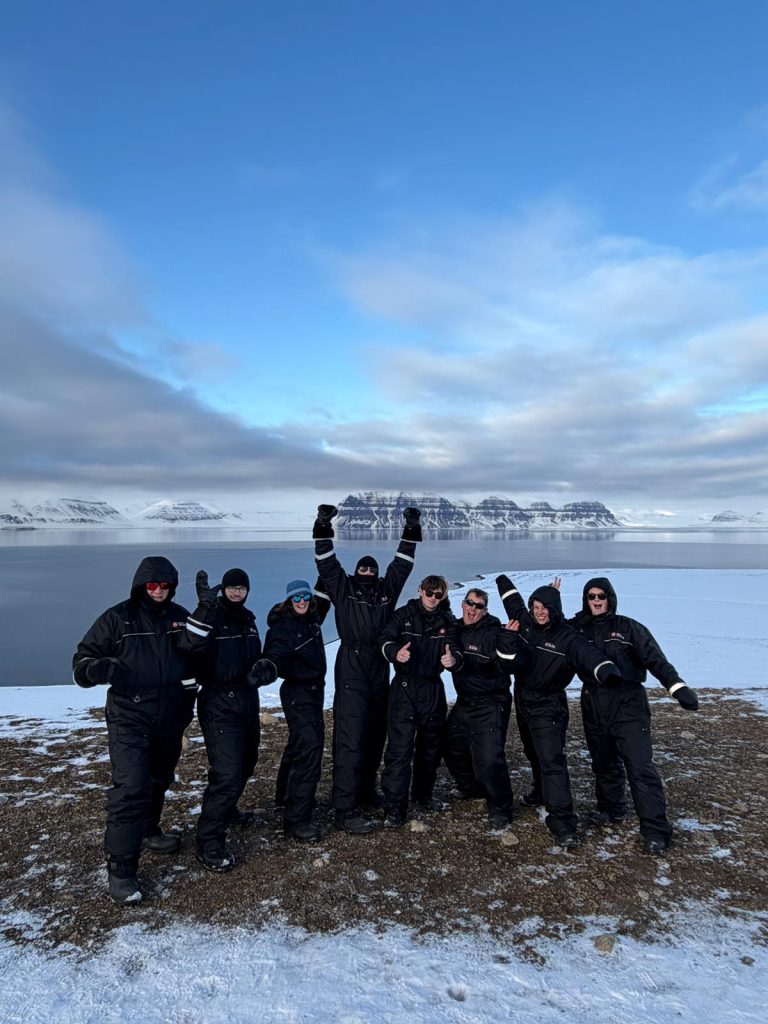
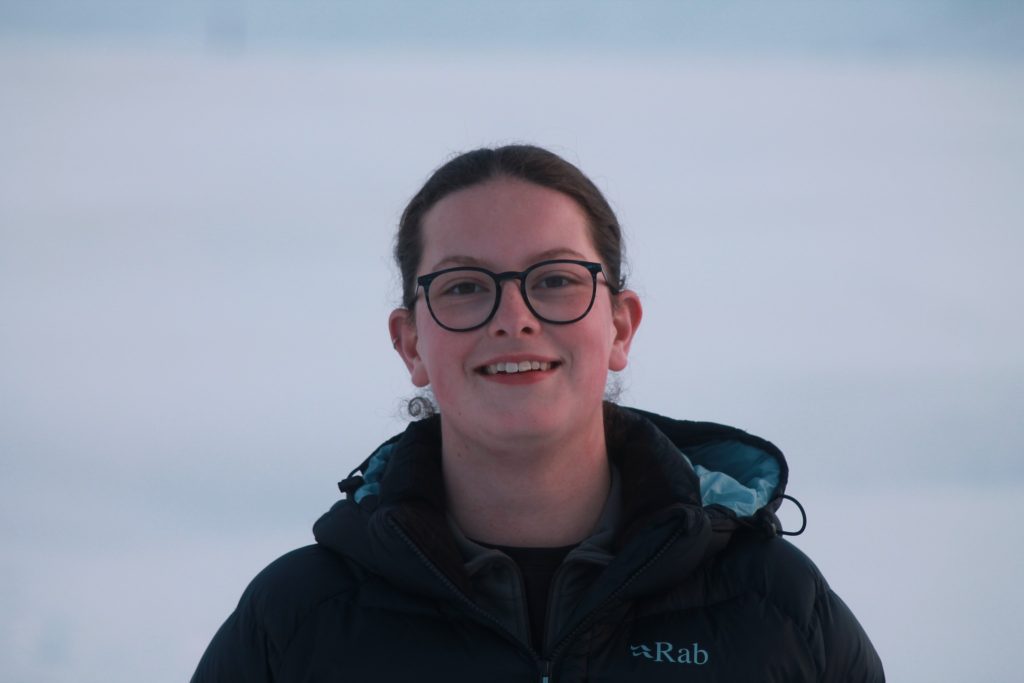
ArcticQuest2026, Kent Scouts’ ambitious Arctic research and cultural expedition, concludes as a resounding success, delivering extraordinary experiences, impactful polar research, and lasting personal development for the leaders and young people who journeyed deep into the frozen North.
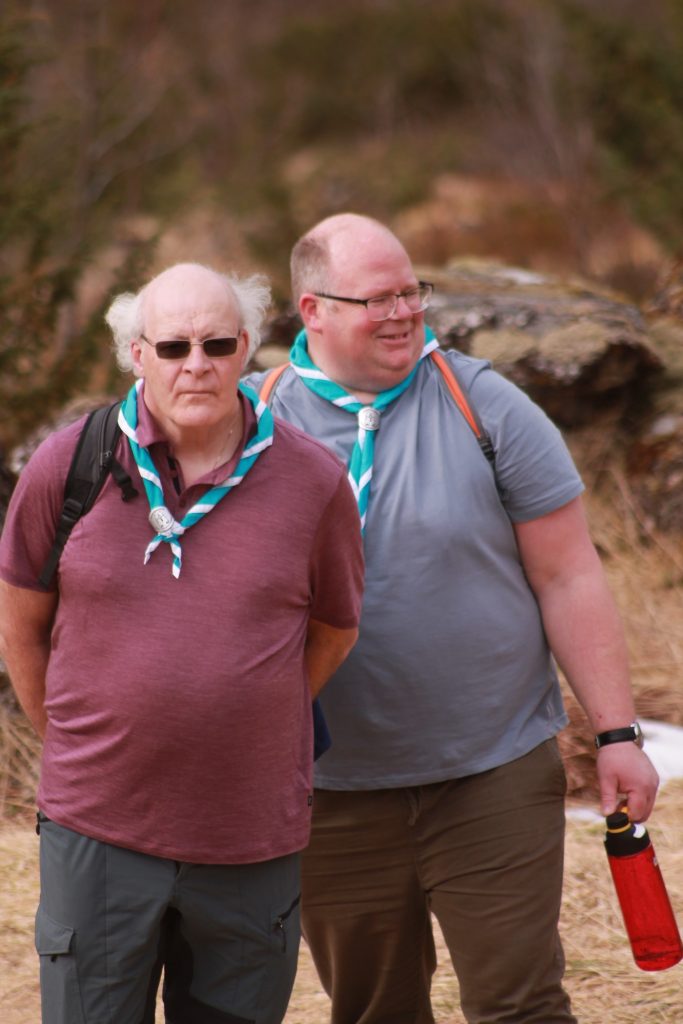
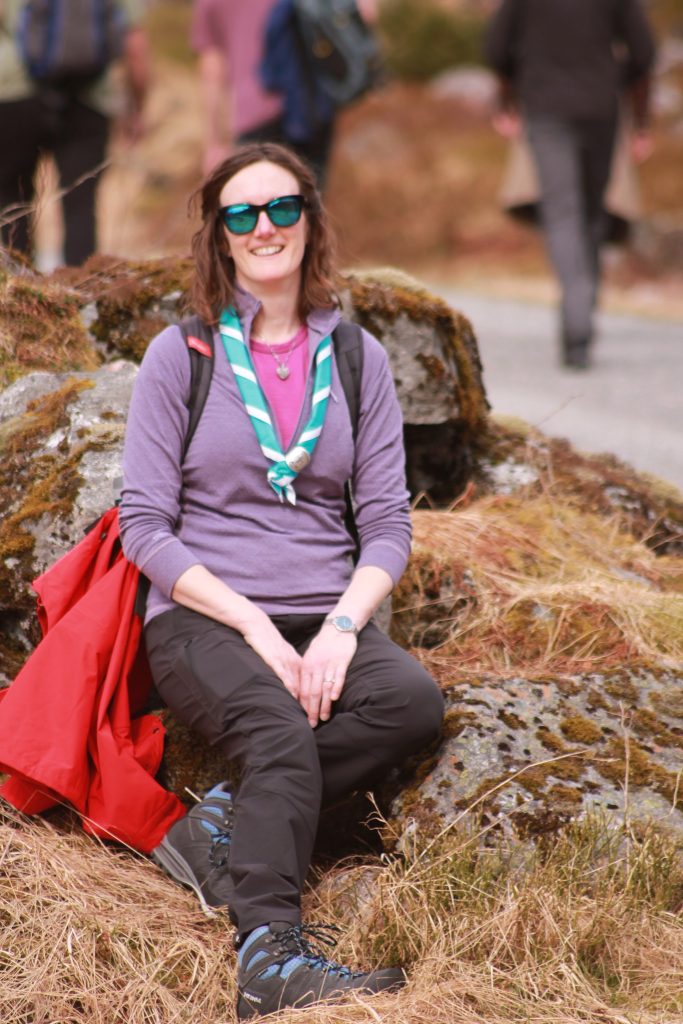
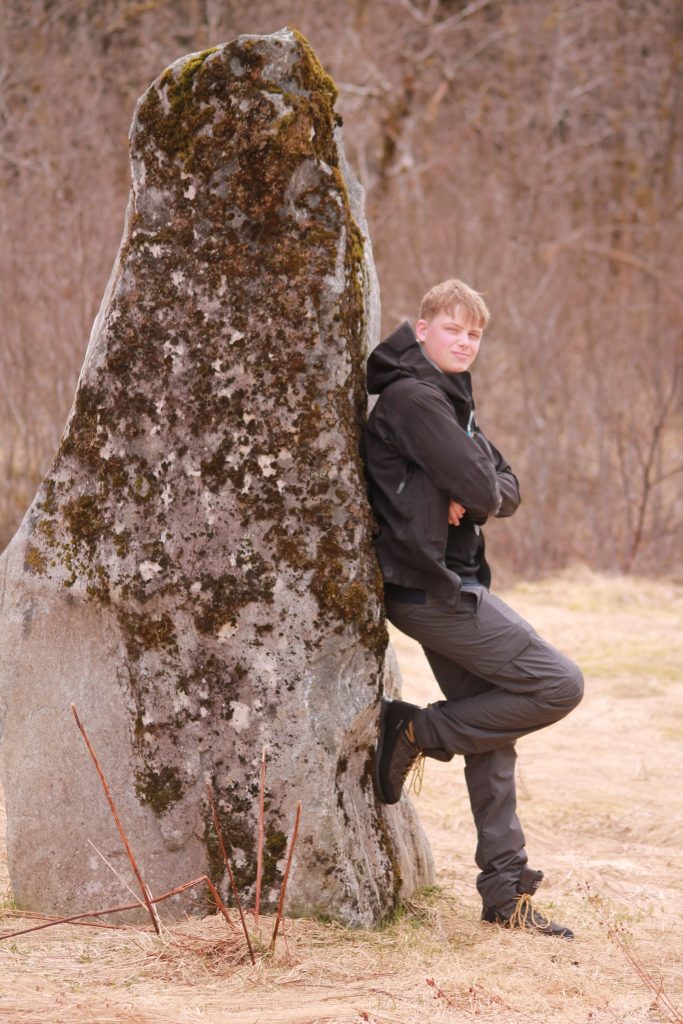
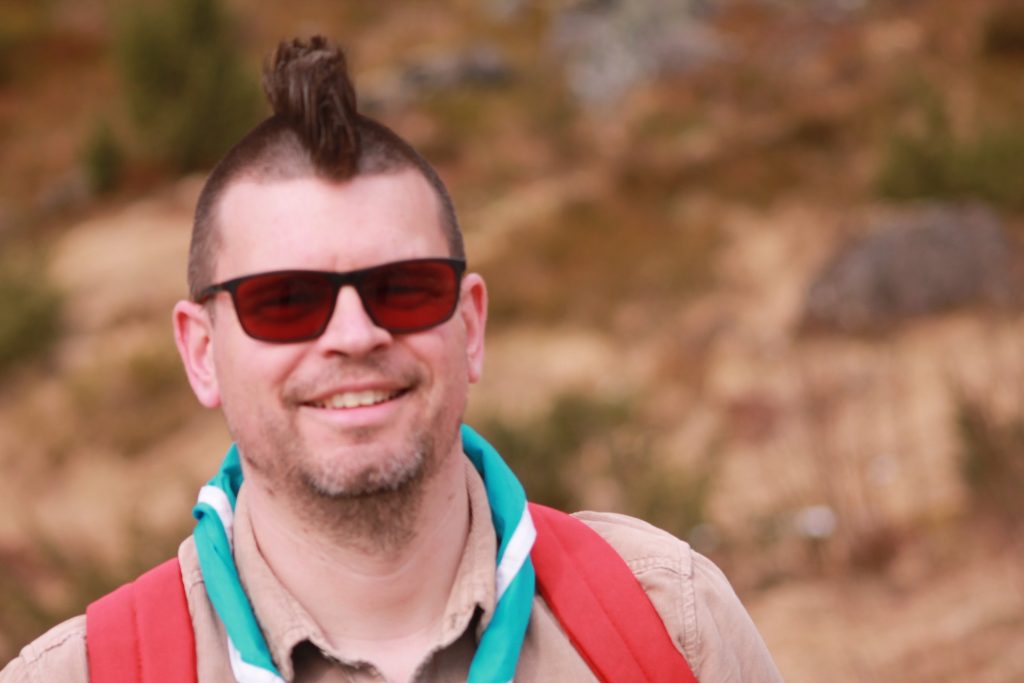
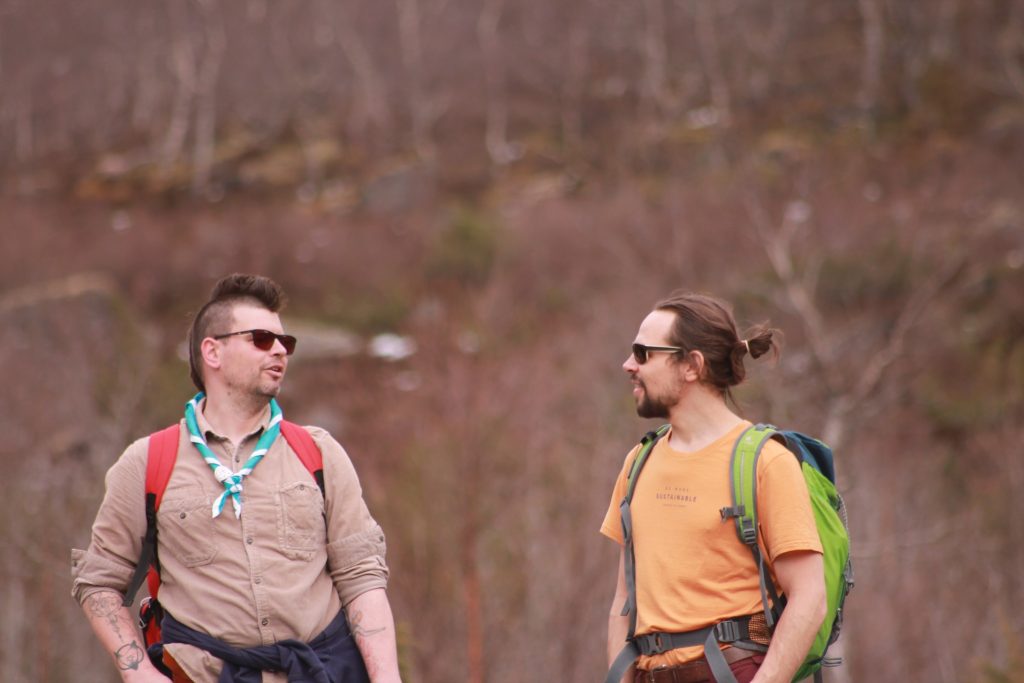
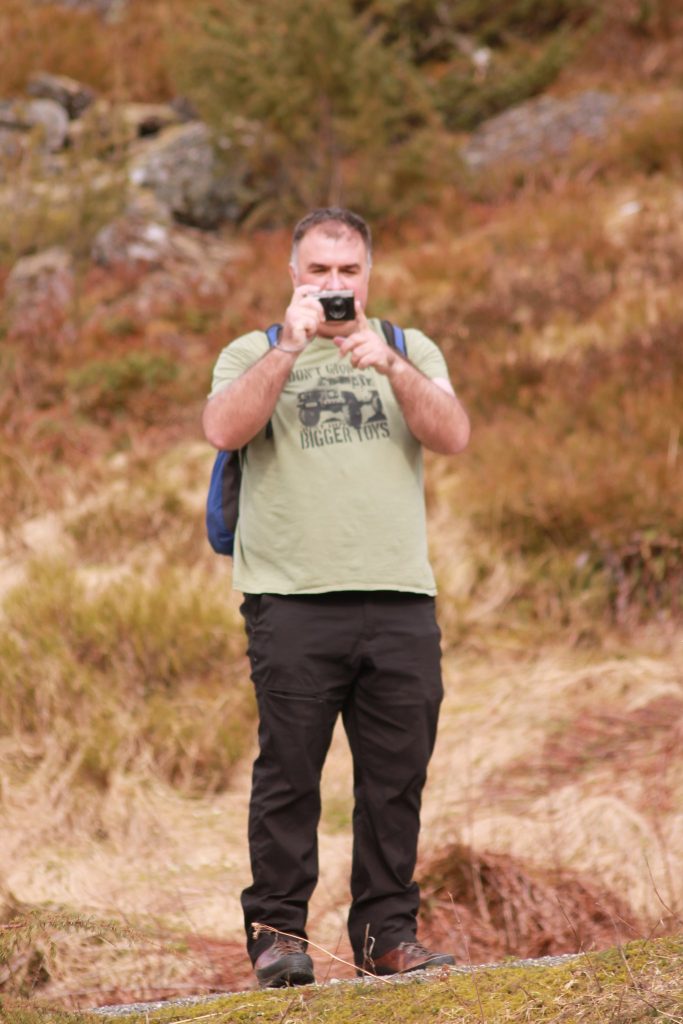
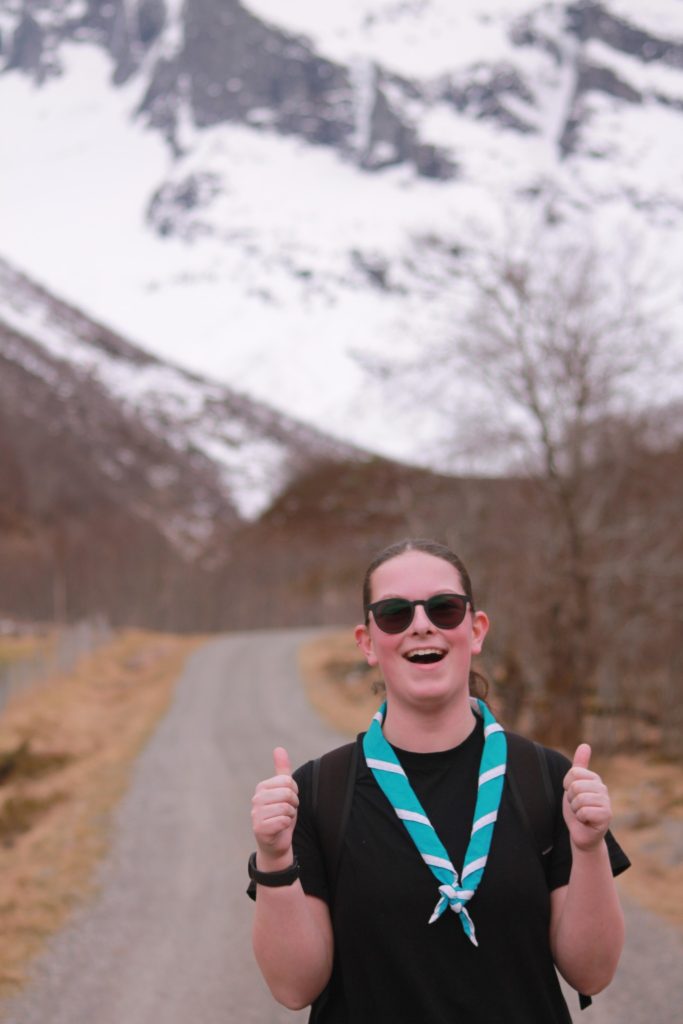
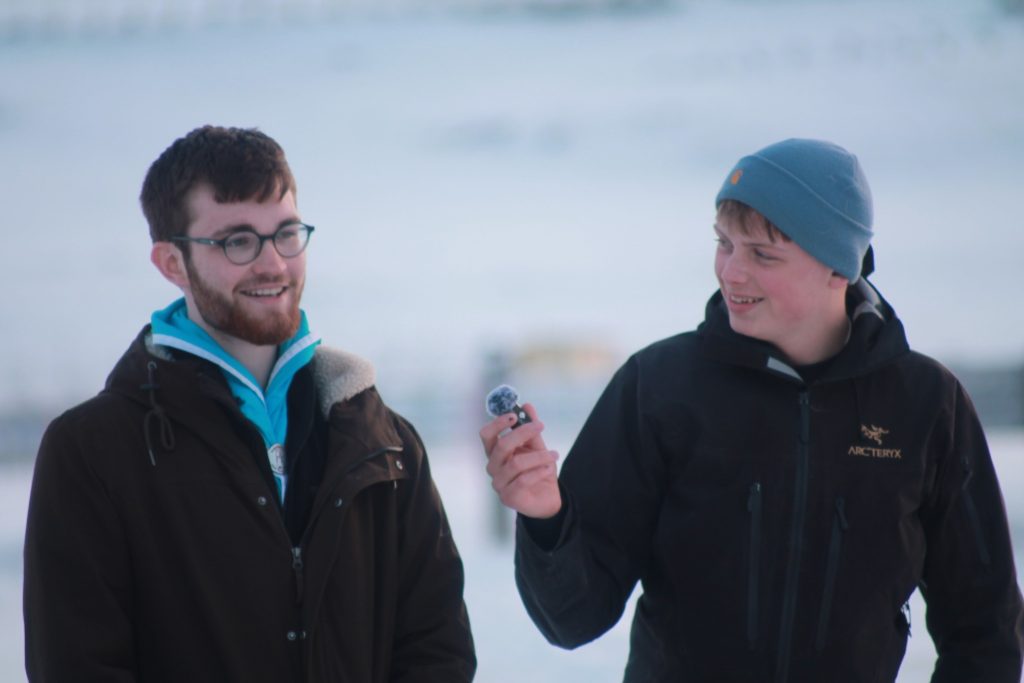
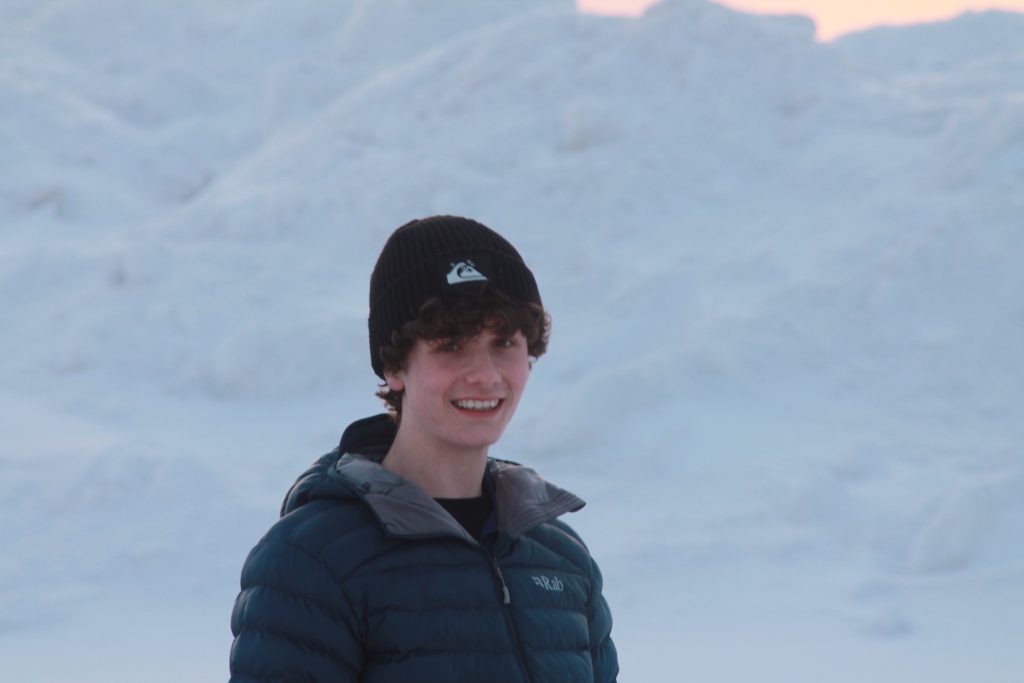
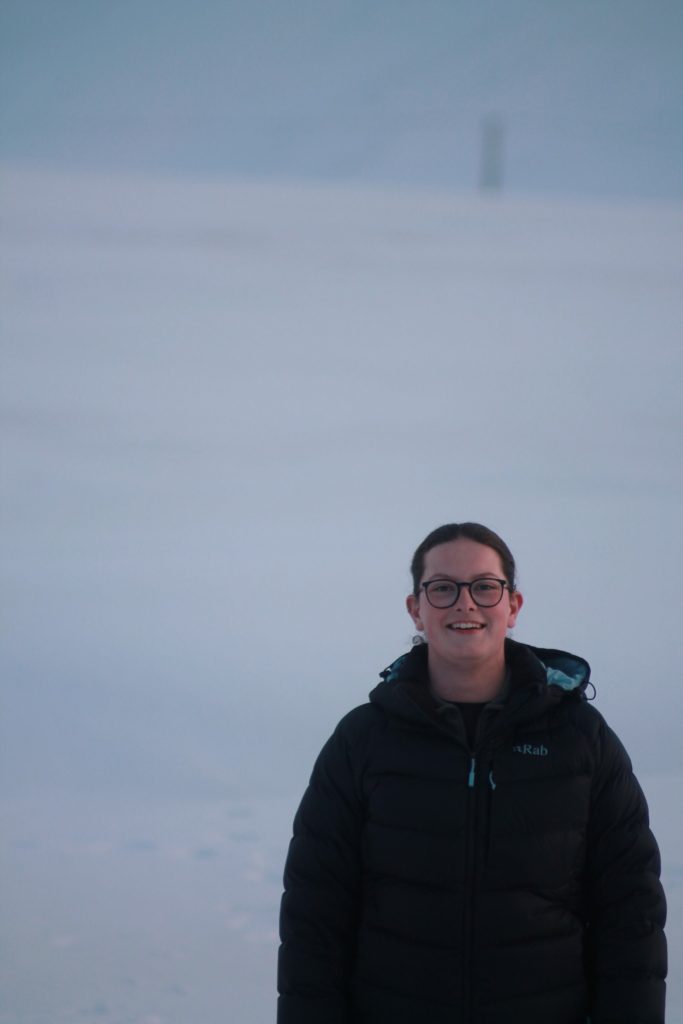
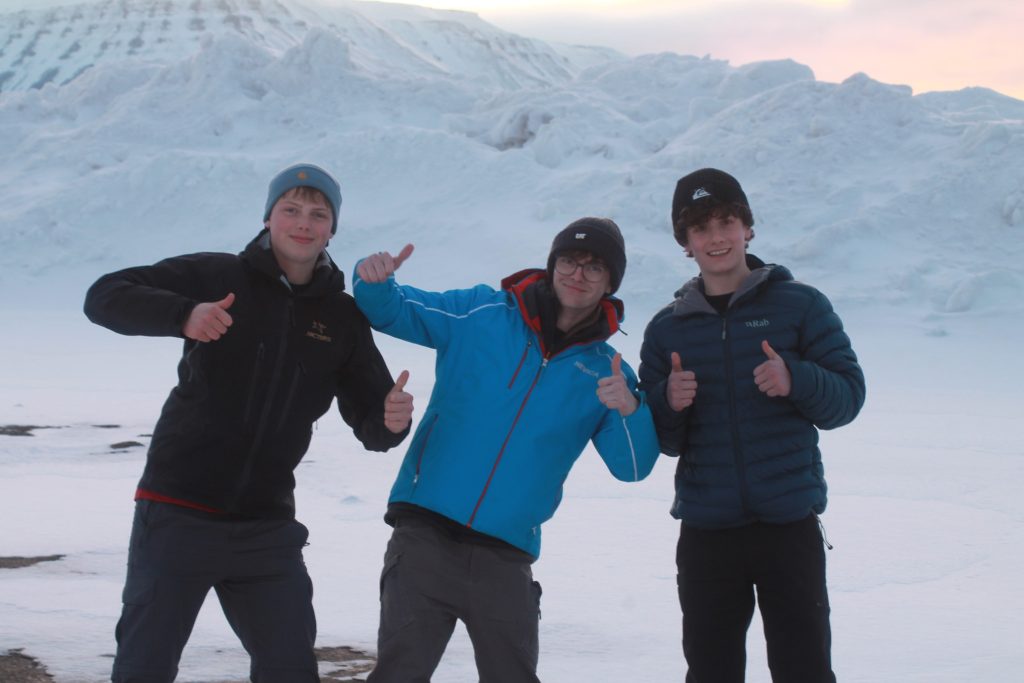
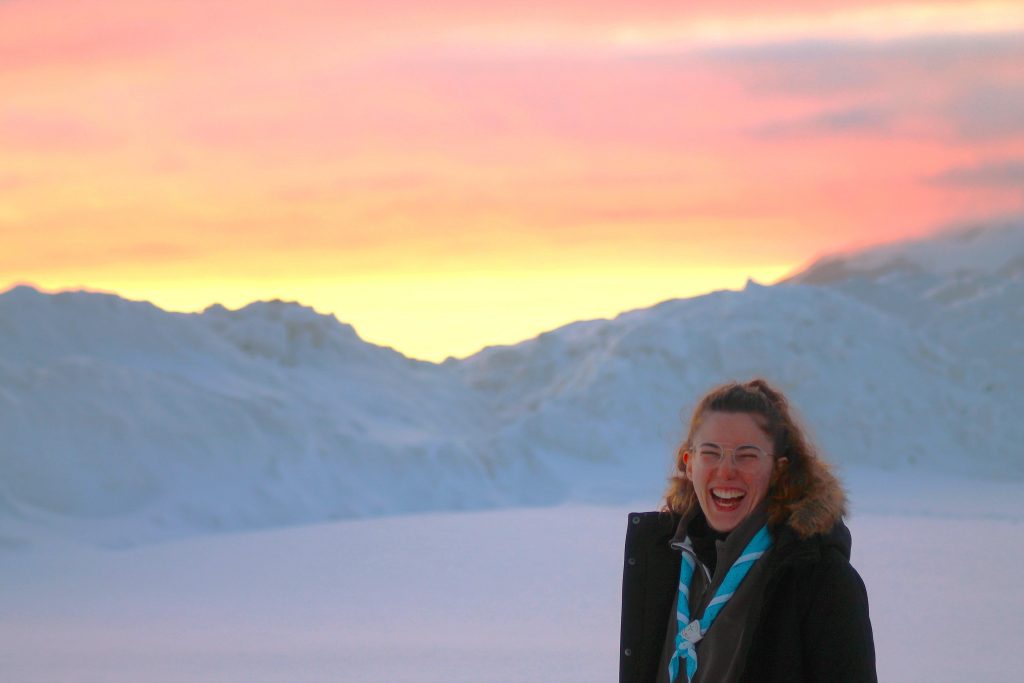
The two‑week expedition, which has taken place in April 2026, saw fourteen members of Kent Scouts travel from the UK to Norway and onward to the high Arctic Archipelago of Svalbard. Months in the planning and years in the making, ArcticQuest2026 was designed not simply as an adventure, but as a meaningful global project rooted in exploration, environmental responsibility, leadership development and contribution to scientific understanding.
From the outset, the project demonstrated the power of resilience, adaptability and teamwork. When earlier plans for a tall‑ship voyage became unfeasible, the leadership team re‑engineered the expedition into an immersive land‑based Arctic experience without compromising its core objectives. The result was a richer, more focused expedition that blended historic exploration, cultural insight and keeping the ability to carry out a range of polar projects.
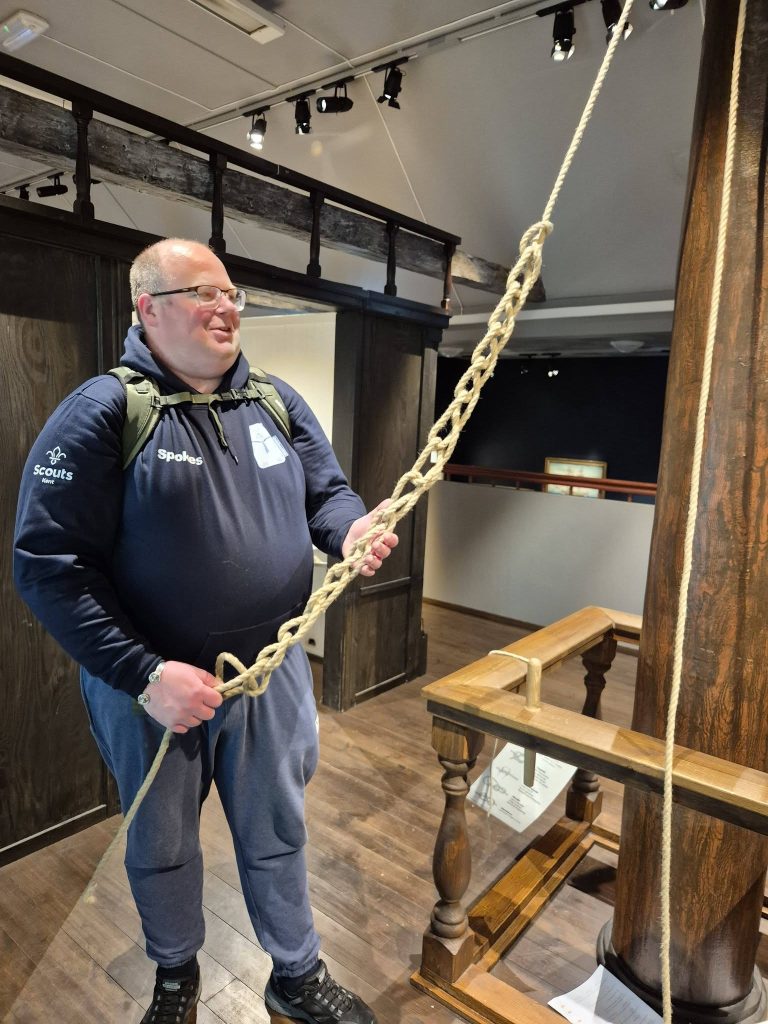
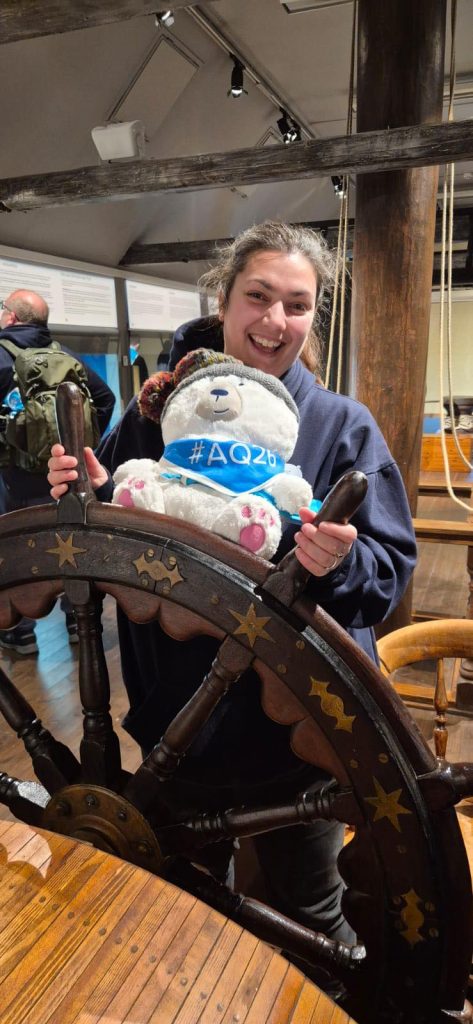
The journey began in Oslo, where the team immersed themselves in Norway’s polar heritage through visits to the Fram Museum, Kon‑Tiki Museum, Maritime Museum and Norwegian Scouting Museum. These experiences provided vital historical context, linking modern Scouting values to the great expeditions of the past and inspiring participants to reflect on humankind’s evolving relationship with the polar regions.
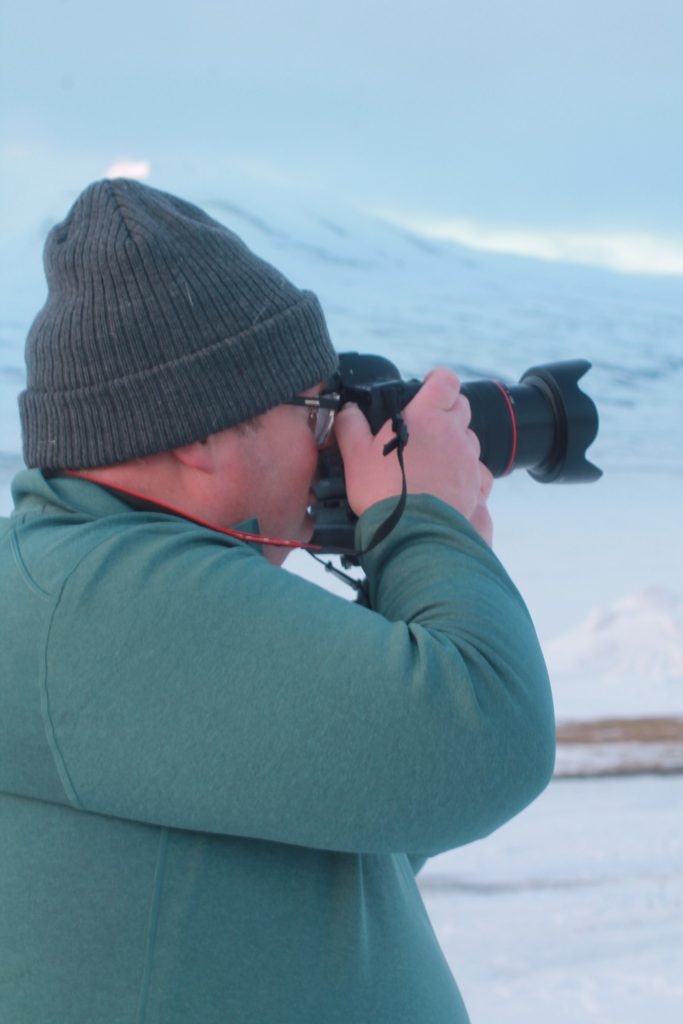
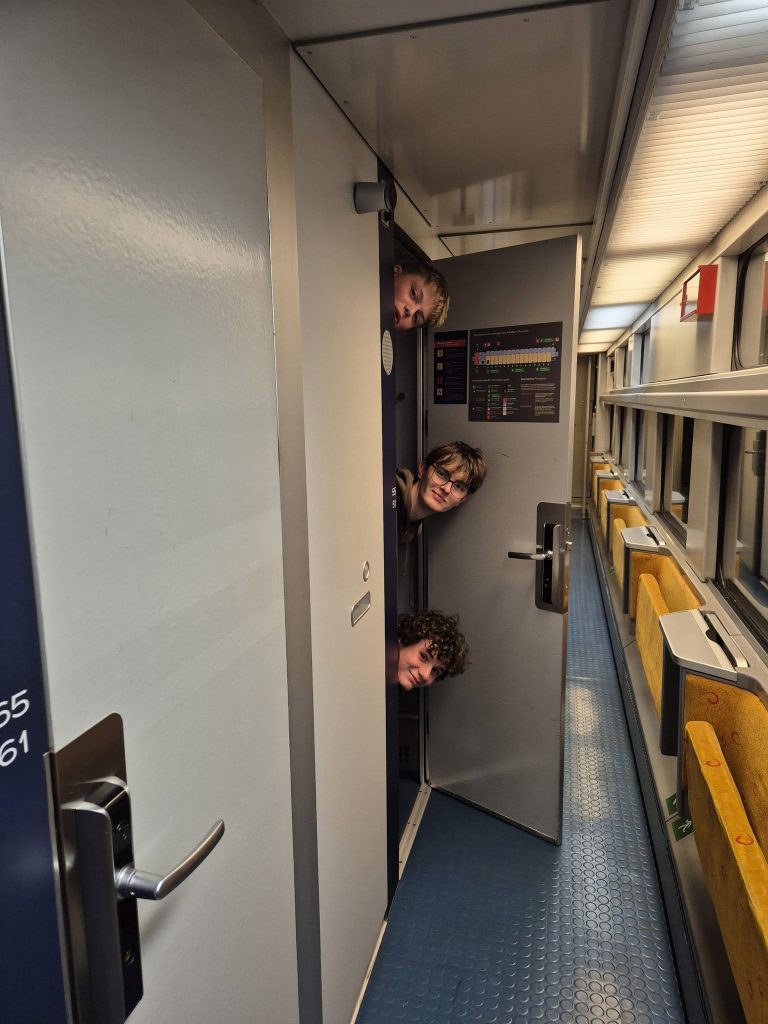
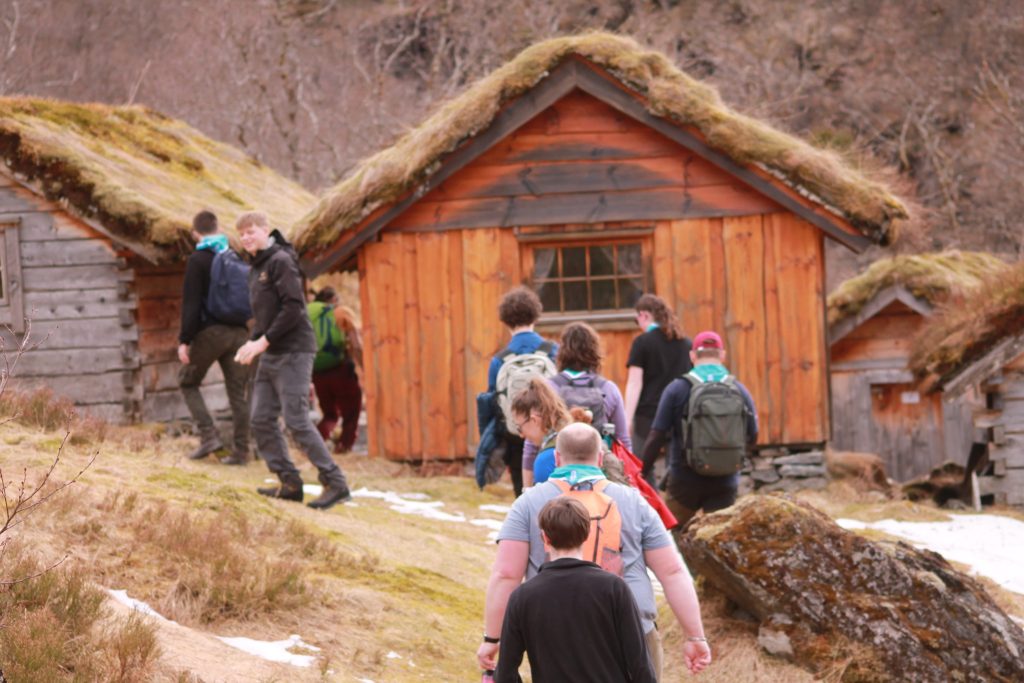
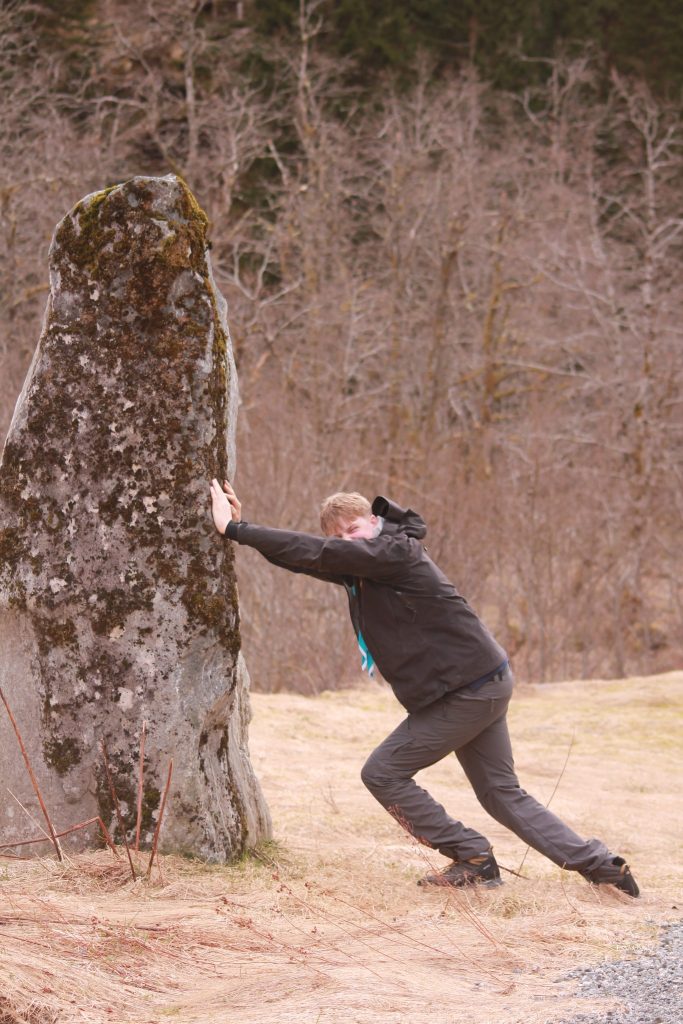
Travelling north via one of Europe’s most scenic rail routes, the team crossed Norway to Bergen before continuing along the dramatic coastline, through fjords and Arctic waters, engaging in observational research and individual project work. Throughout the expedition, participants undertook structured studies exploring environmental change, culture, wellbeing in extreme environments, storytelling, photography and historic navigation.
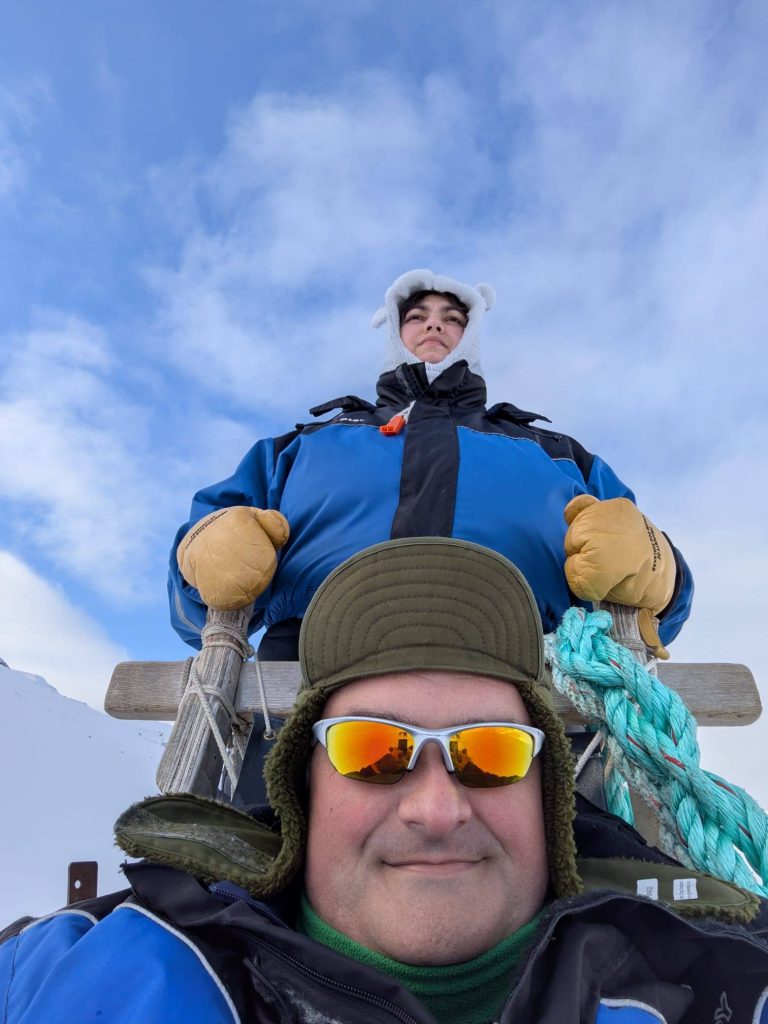
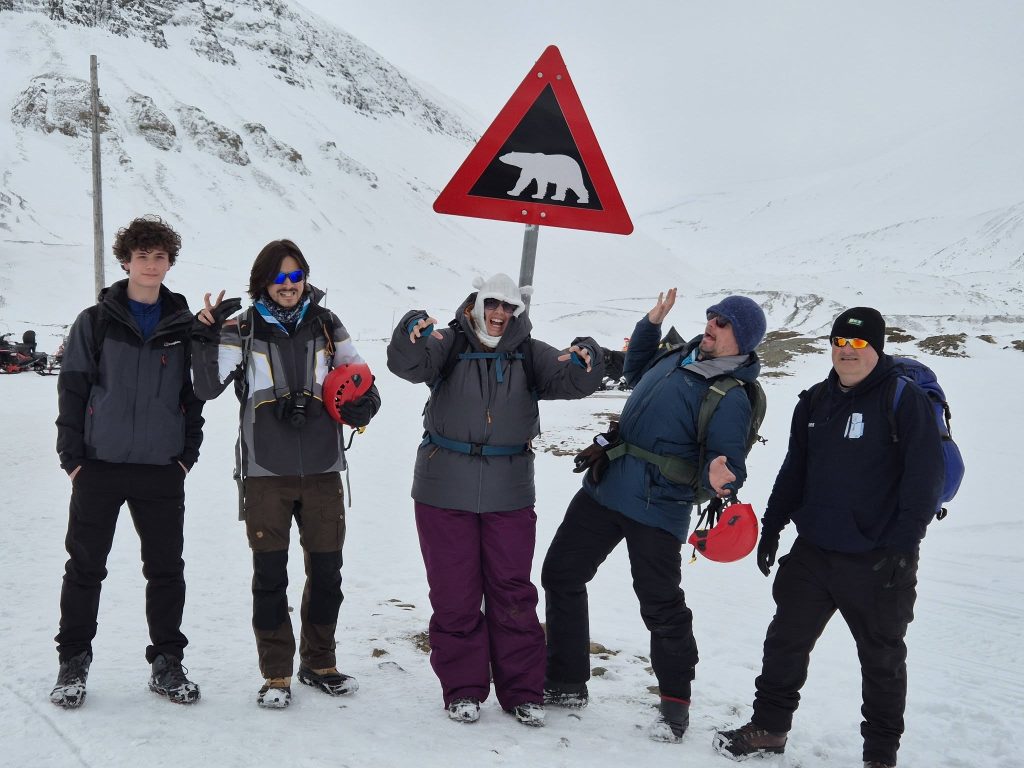
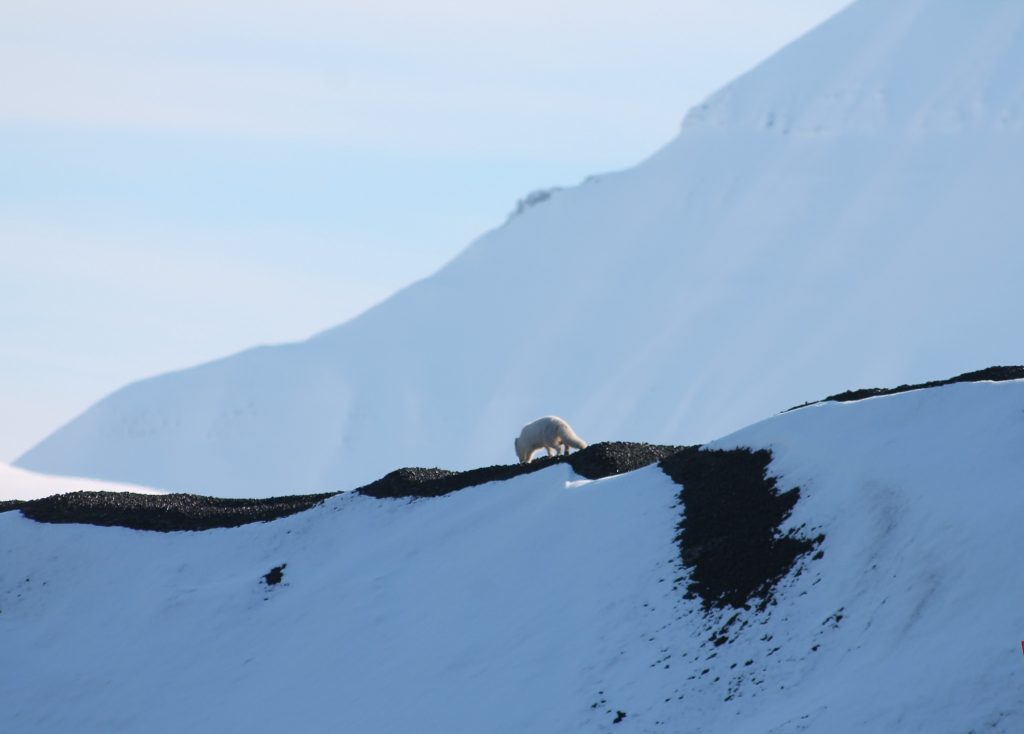
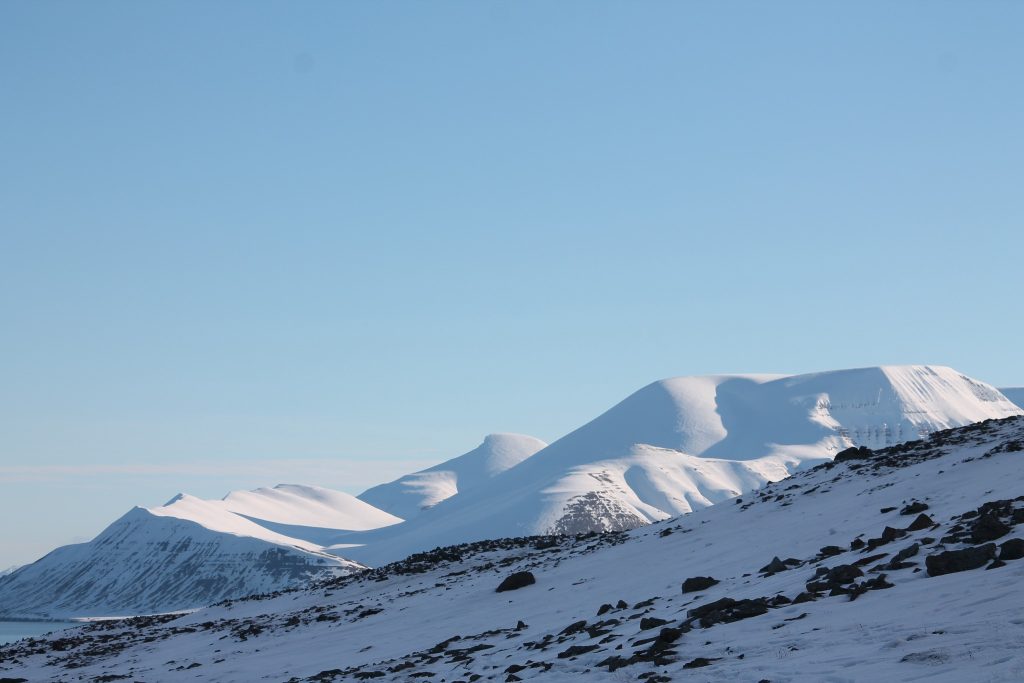
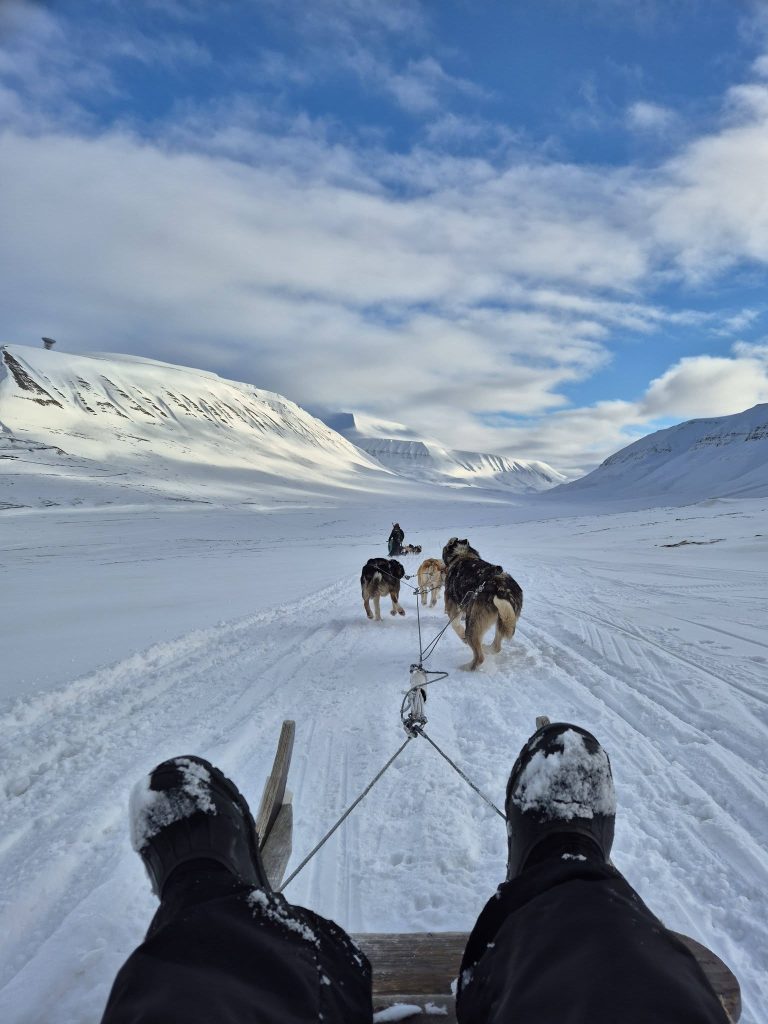
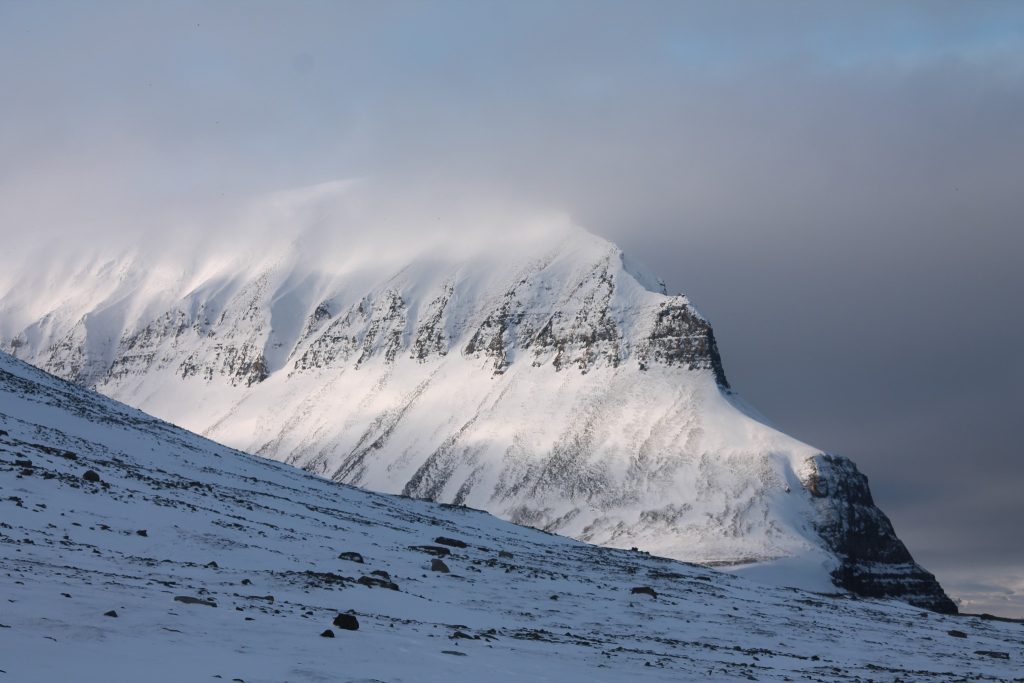
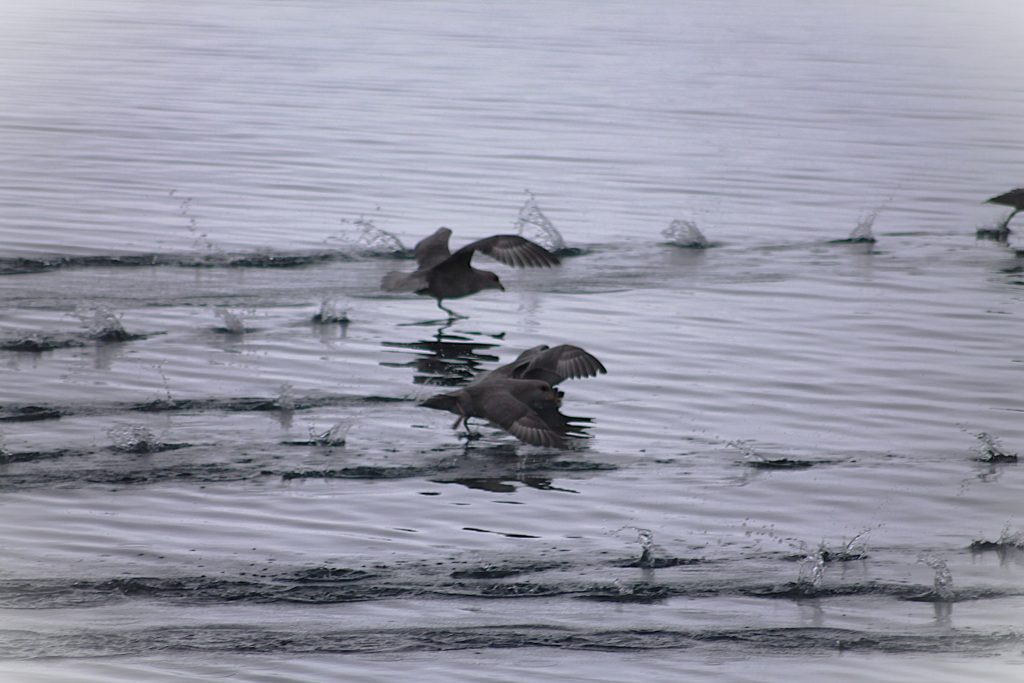
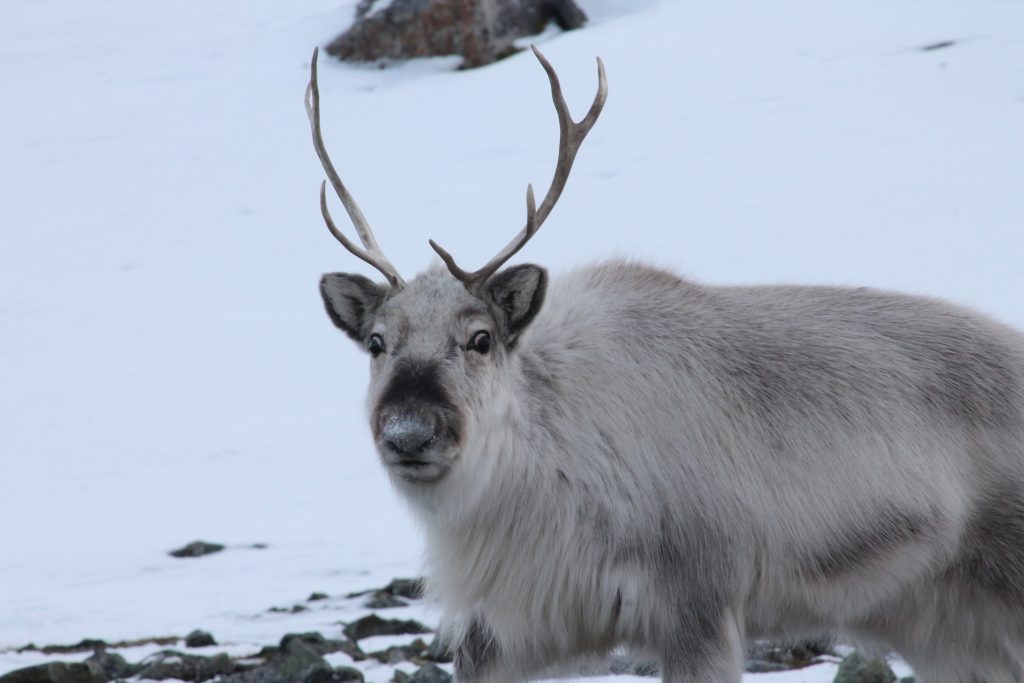
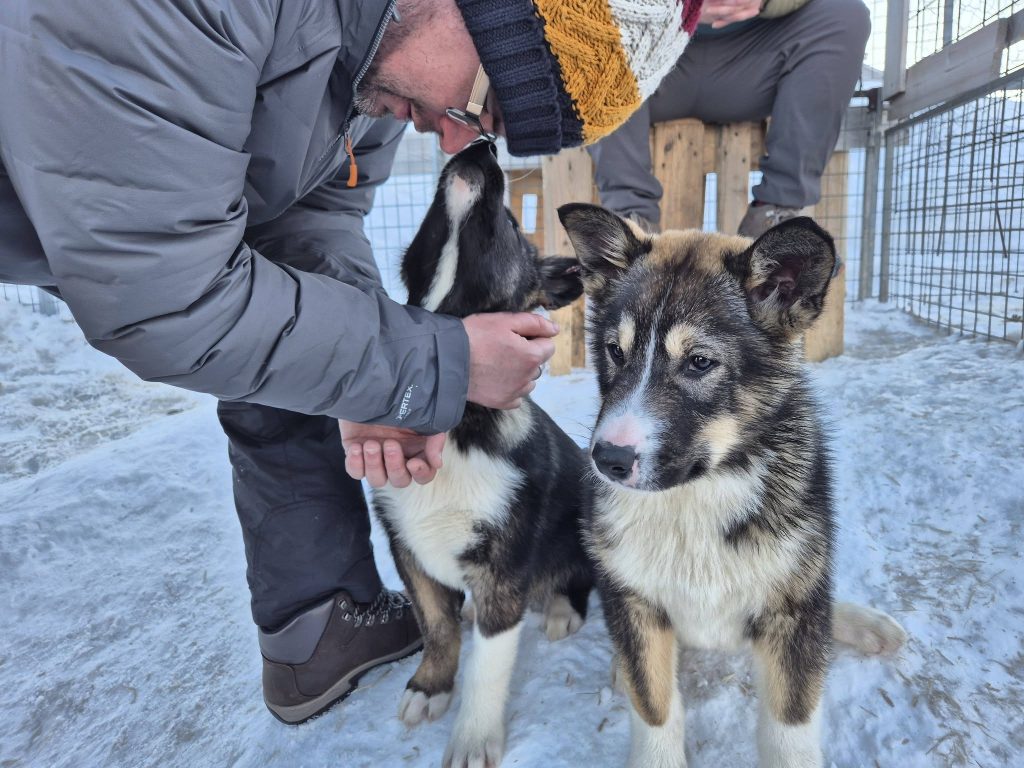
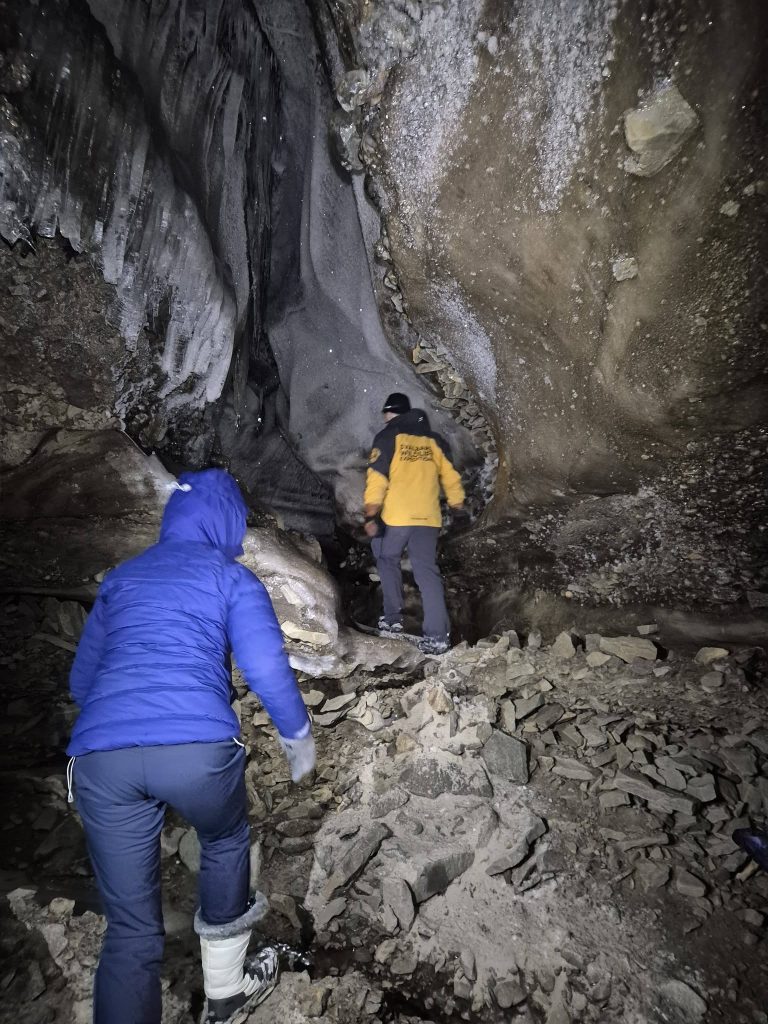
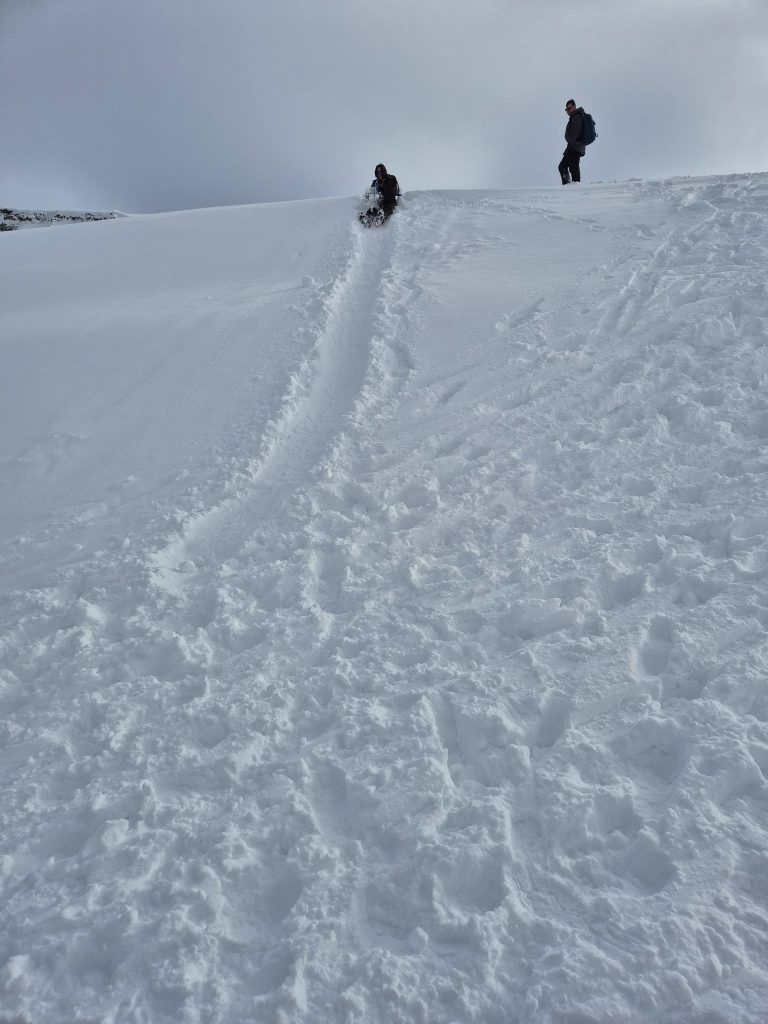
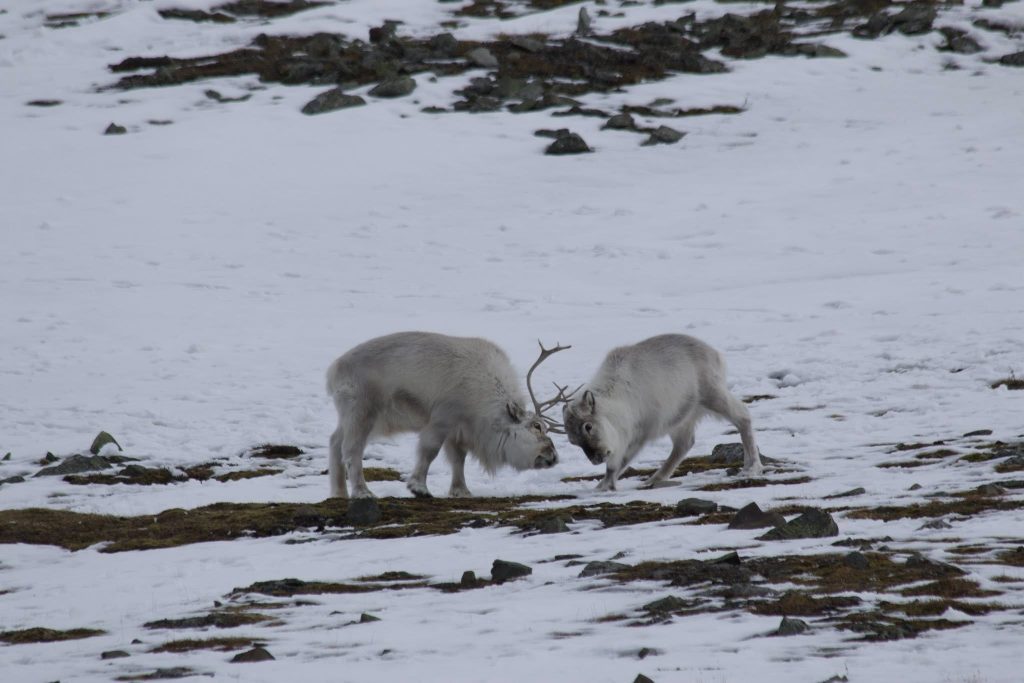
The expedition’s most intense and transformative phase came in Svalbard, one of the world’s northernmost inhabited regions. Based in Longyearbyen, the team took part in a programme of Arctic activities including Ice-cave exploration, dog-sledding journeys across snow-covered valleys, guided hikes, snowmobile safaris and a low-impact hybrid-electric wildlife and glacier cruise provided first-hand insight into the Arctic’s ecosystems and the challenges they face.
Alongside the physical expedition, ArcticQuest2026 delivers a substantial and ambitious group research project entitled “Arctic Exploration Through the Ages.” Drawing on direct observation, site visits and structured investigation, the team traced humanity’s evolving relationship with the Arctic—from indigenous adaptation and survival, through the age of mercantile exploitation and heroic exploration, to the modern era of science, responsibility and climate stewardship. Participants examined key historical moments including early Inuit technologies that enabled sustainable life in extreme environments, European attempts to force trade routes through ice‑choked seas, the triumphs and failures of nineteenth‑ and early twentieth‑century explorers, Cold War industrialisation of the Arctic, and the contemporary shift towards carbon‑conscious, data‑driven polar science. By comparing past attitudes of conquest and extraction with today’s emphasis on environmental protection, Indigenous sovereignty and “leave no trace” principles, the project provided powerful insight into how human ambition, technology and values have shaped—and continue to shape—the frozen North. The findings will form the basis of ongoing outreach, helping young people across the UK understand not just what is happening in the Arctic today, but how history has led us there.
Crucially, ArcticQuest2026 does not end when the team returns home. A central aim of the project has always been outreach, and the participants will now begin sharing their experiences and research with thousands of young people and community groups across Kent and beyond. Through presentations, resources, social media engagement and educational activities, the team will be inspiring the next generation to take an active interest in the polar regions and the global challenges they face.
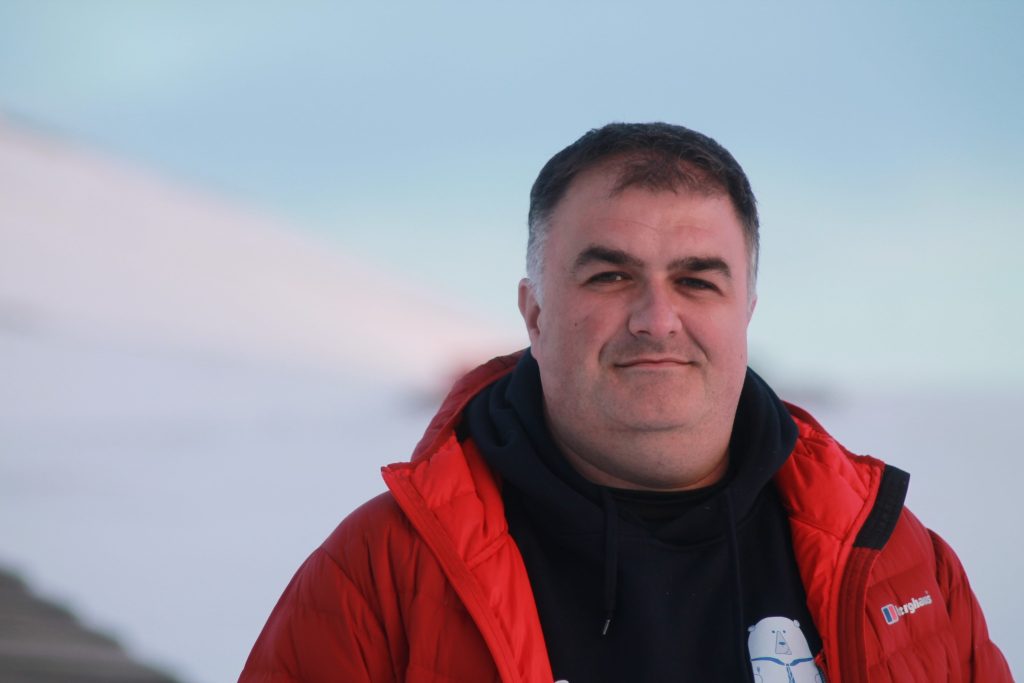
Expedition Leader David Wraight reflected on the achievement: “ArcticQuest2026 challenged everyone involved, but it exceeded our expectations in every way. The resilience, curiosity and leadership shown by the team in one of the world’s most demanding environments was exceptional. This project proves what young people can achieve when they are trusted with real responsibility and meaningful purpose.”
ArcticQuest2026 builds upon the Kent Scouts ReQuest2021 Antarctica project and a proud tradition of other global projects. It follows in the footsteps of historic Arctic explorers linked to Scouting’s heritage. More importantly, it sets a powerful benchmark for future youth expeditions—demonstrating that adventure, science, history and global citizenship can come together to create experiences that change lives and contribute to something far bigger than the journey itself.
Ends (751 Words)
Media contact: Alan Noake MBE – Home Contact, Kent Scouts ArcticQuest2026
alan.noake@kentscouts.org.uk | www.arcticquest2026.org.uk